Building an excellent harness yourself is exhausting work. It’s risky, it’s fragile, you’ll never get to perfection. Meanwhile competing against against the big AIs that buy all their tokens at cost is also a recipe to get crushed. Don’t start an argument with someone who buys ink by the barrel they said. All that said…
LLMs have become commodity. The real value now is in how you harness them.
A year ago “that’s just a wrapper company” may well have been the ultimate pejorative. I really don’t think so anymore. Context is king in AI, and specifically how effectively you use your context window, and that makes wrappers everything.
NOT trying to do everything in an LLM is key, using tools, api calls, timely data sources, memories, deterministic code or rules engines wherever possible. This is how agentic systems do real work and do it dependably. The rules, the orchestration, the library of tools, the automation, the security, the deployment, the evals, the model/cost/performance optimization is crazy work. It’s the work of the harness. Spend a season building enterprise-grade agentic systems, or just a week setting up your OpenClaw and you’ll understand first hand.
1. Ships in the Night:
consumers mass-adopt AI, merchants too mass adopt AI. But these AI usecases don’t talk to each other. 55% of consumers this holiday season used AI to help them with shopping for search, product recommendations etc. But all ending up checking out on a traditional website. Brands meanwhile have gone ham on AI for marketing content, ops/customer service automation etc. But all this AI for connecting with traditional humans.
2. The Transition Era.
Think of ‘first contact’ between a customer’s preferred AI and the merchant’s AI. We’re still talking about selling the same kinds of widgets to the same kind of customers. However,this time the journey connects end-to-end from the consumer’s starting AI surface straight through to completed purchase. Even for the simplest possible categories of purchases or baskets.
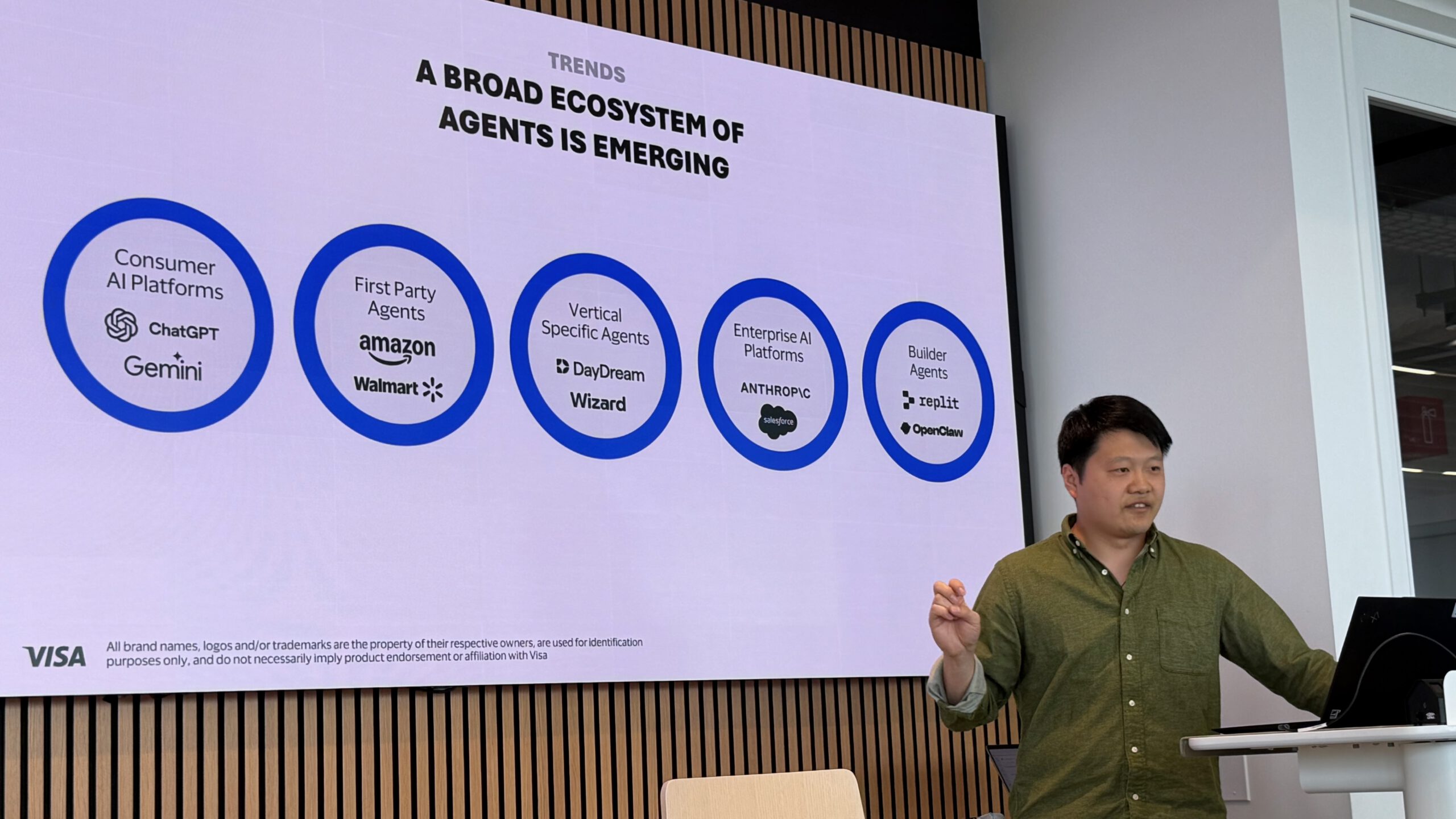
Key to this phase is any generous definition of merchant being ‘AI ready’. Where merchant has (intentionally) exposed any machine-friendly interface that bots can work with. AI’s clumsily controlling the users browser to click through web UIs doesn’t count. First-party AIs where the merchant offers it’s own shopping chatbot doesn’t really count either (although that’s a whole strategy too). Getting to this phase is the main battleground over the last year amongst the tech giants, with several competing technologies and protocols for Agentic Commerce being bandied about.
Now, don’t underestimate the grind of phase 2. Horizontally scaling any new acceptance technology can literally take decades. But there will be some breakout successes and niche early winners. Which brings us to…
3. Disruption by new AI-native business models.
You couldn’t have had Amazon, Ebay or Netflix without the original internet. You couldn’t have had Uber, Tinder, Robinhood without mobile. Similarly, the new modalities and possibilities of AI to AI interactions will allow whole new value propositions while removing old operating constraints and assumptions. Here’s one example: today it’s often better to leave some money on the table in the interest of product and pricing simplicity. Good better best, and simple to explain pricing are sensible constraints when you have to work around the cognitive load of human buyers or human sales staff. AIs don’t have these same constraints. Instead imagine much more granular and flexible product bundling, feature selection and then pricing negotiation optimizing for how much to pay and when to pay, dynamically optimized by individual buyer and sellers’ rational but individualistic preference curve for value now vs value later vs trust & risk tolerance etc.
Crucial to this particular vision though, is one important but non-trivial assumption. That each side to an Agentic Commerce transaction has some agent that they feel they can trust with their private information to be aligned to their best interests.
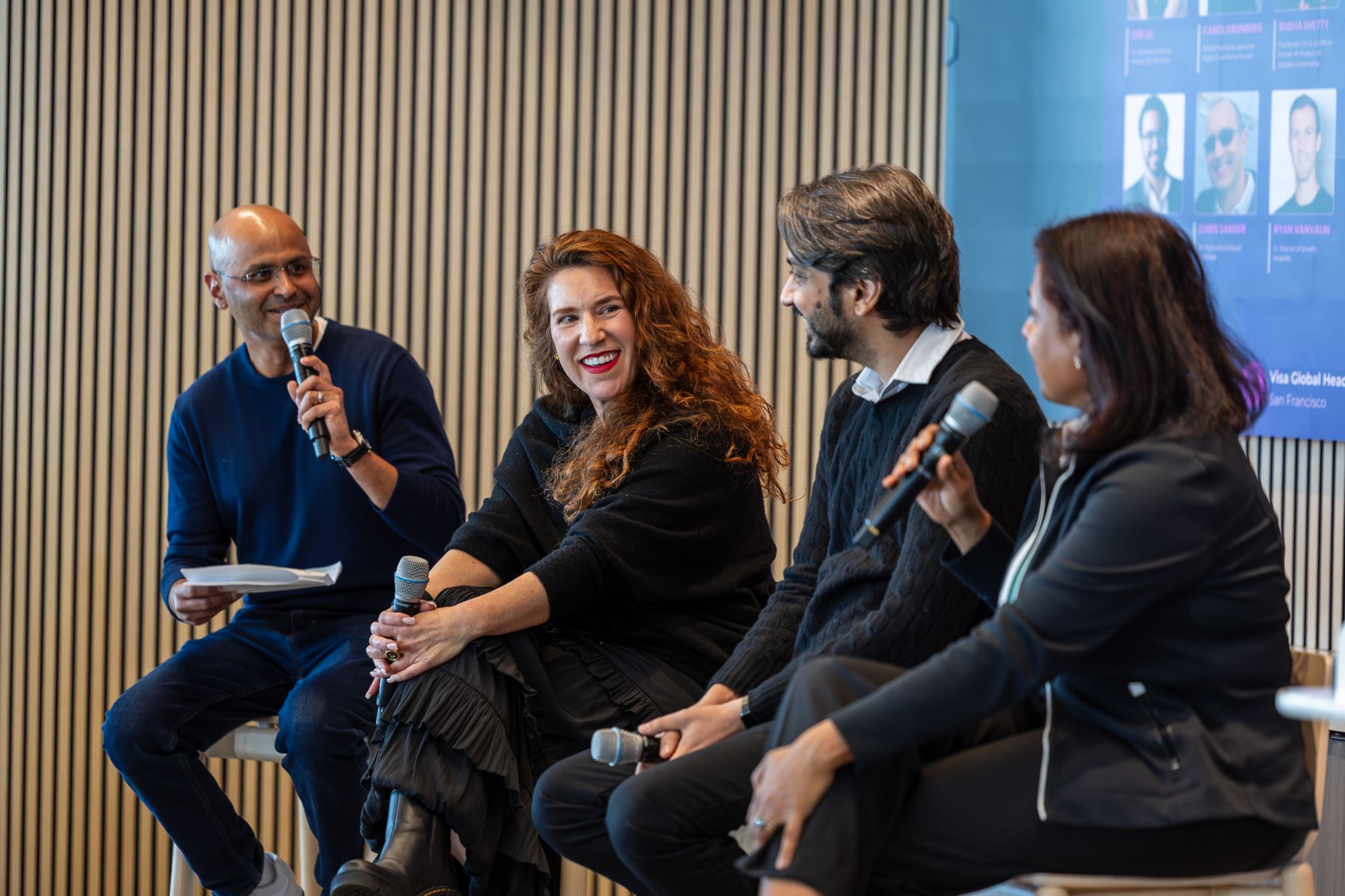
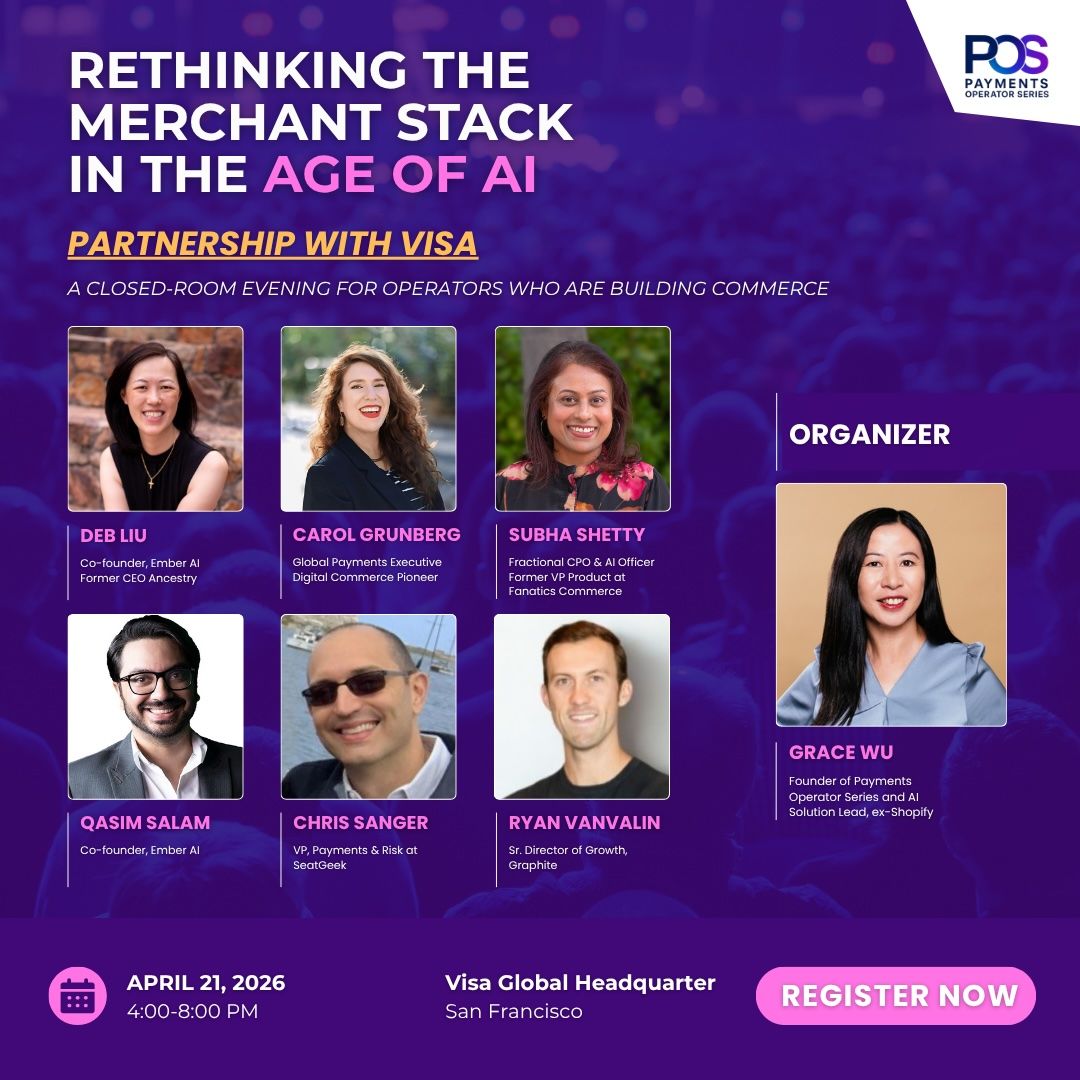
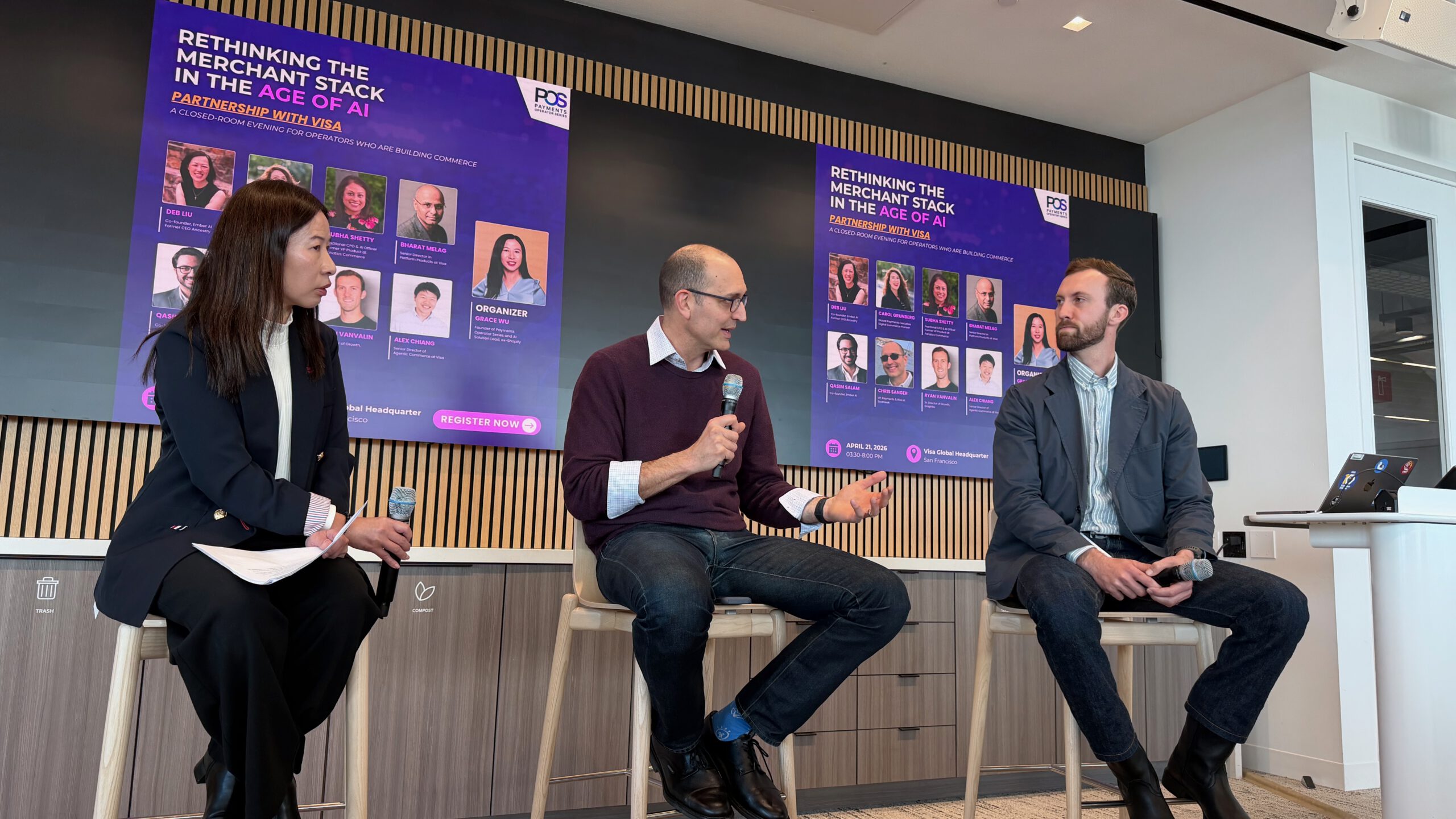
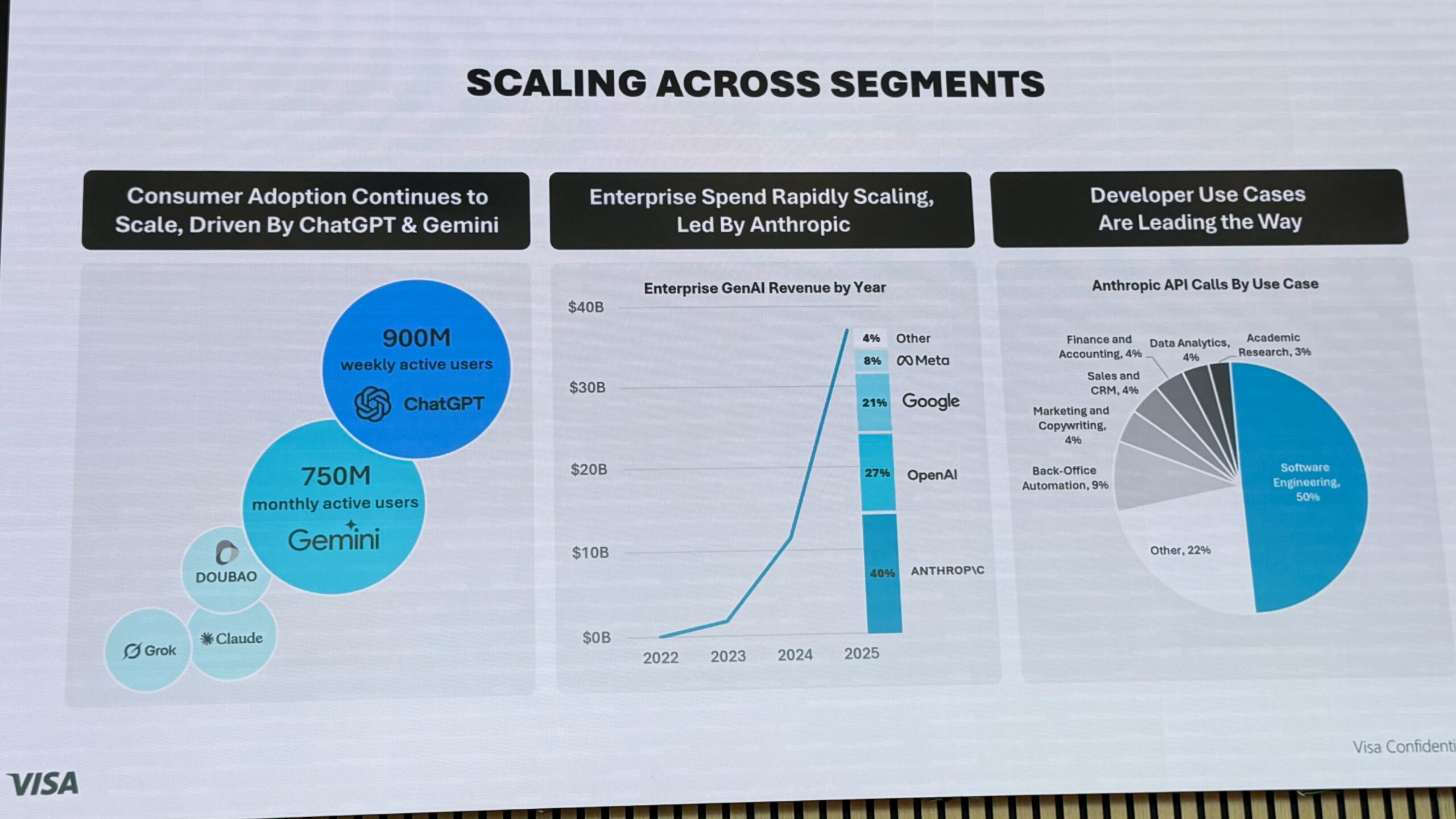
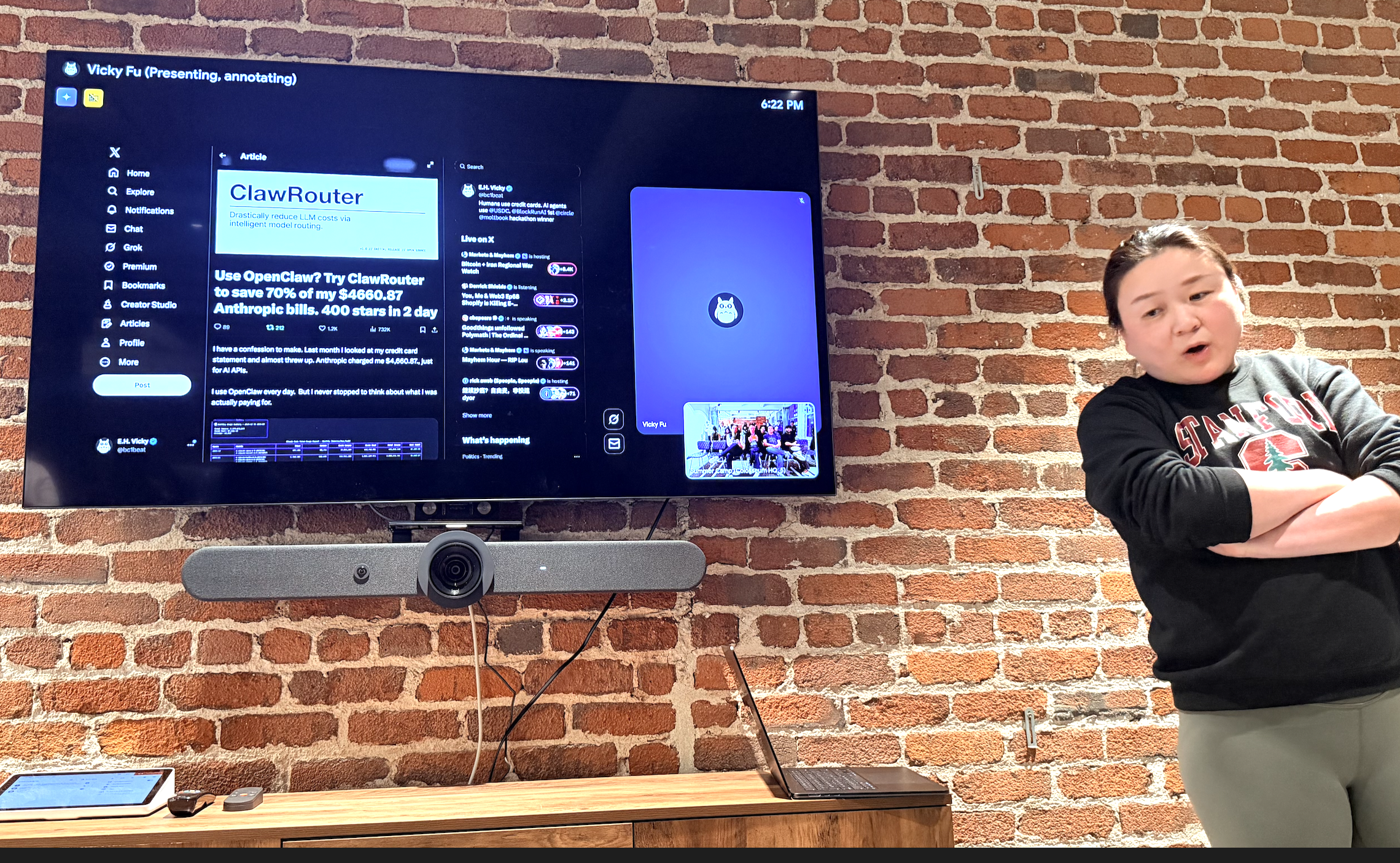
Are we there yet? Industry tea on what’s going on in agentic commerce, as of Dec 2025. Major props to Grace Wu and the Payment Operators Series group on Luma for organizing this panel convo down at the new Visa HQ in Mission Bay. Many old friends, some new ones and great convos. Notes & highlights:
Jalpesh Chitalia kicked us off with a narrative of how far we’ve come from 2023 to today. – In our current state, consumers are embracing agents for search and discovery. But checkout and payment is still human led. – Arguably, merchant-side have been using AI even longer, using algorithms for pricing, marketing, recommendations, risk etc. and now gen ai too, but all for their human-facing channels – What is now just emerging is end-to-end agentic shopping journeys and agent-to-agent fully autonomous commerce – But for trust and interoperability to work there are many pieces including protocol and standards [that tbf Jalpesh and his team at Visa have been doing a killer job at executing on] including how to trust and certify agents, protect & control payment credentials in an AI environment, manage identity & authorization, navigate post-purchase actions etc. – Past year was somewhat ‘chaotic’ with many players introducing protocols, all with good aspects, now we’ll see these consolidating and maturing
Aarti – journey to full automation is still where it was last year. We thought trust was key last year, but if we look upstream there is still hallucination and humans needing to be in the loop. [my take: it’s all about the usecase, expect agentic commerce to take off first in niches where stakes are low but value high. ‘Claude, help me pick gifts for a niece’s 6yo birthday’, ‘GPT I need instructions for a basic DIY home repair, can you also identify and source the right tools and parts and tell me when they’ll arrive?]
Bharat – At the network level, well need new dispute and reason codes
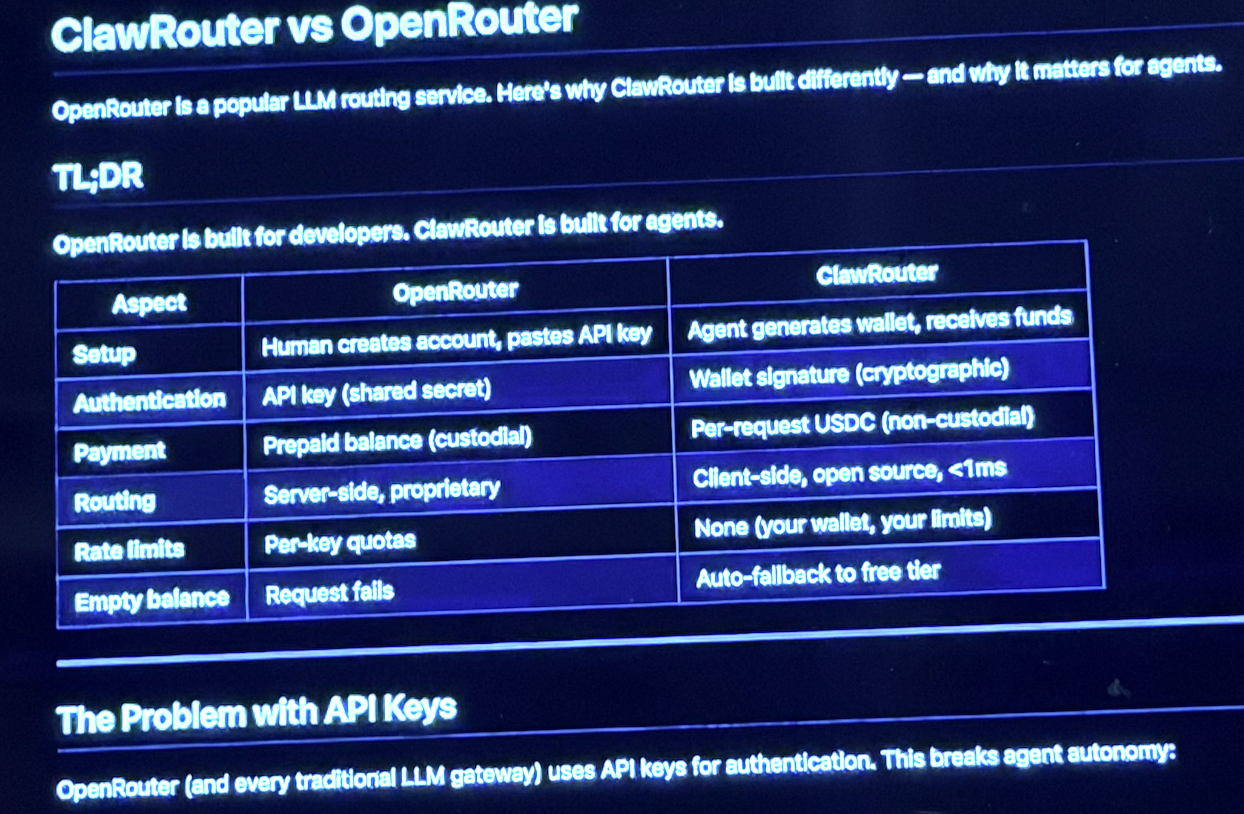
Nemil – X402 [Coinbase payment standard] can be used by agents. X402 micropayments could replace ad revenue as a way to pay for traffic and content access. Monetizing online content is a need if we want to keep having quality content, but ads (besides being toxic themselves). [agentic commerce can be about creating new categories of payments, not just replacing current shopping journeys]
Aarti – agents will negotiate for the best outcome not necessarily the best price. And this will change how loyalty works
Prerit – [merchant perspective] We ask first who will be the merchant of record, who/how will disputes be managed, how will it impact customer Trust and relationships? With narrow margins, we both don’t have luxury to test every protocol
Aati- building an mcp is no regrets for merchants. Just go dabble with that. Next step do you want to support commerce or ai negotiation