What’s Going on in Agentic Commerce – Payment Operators Series

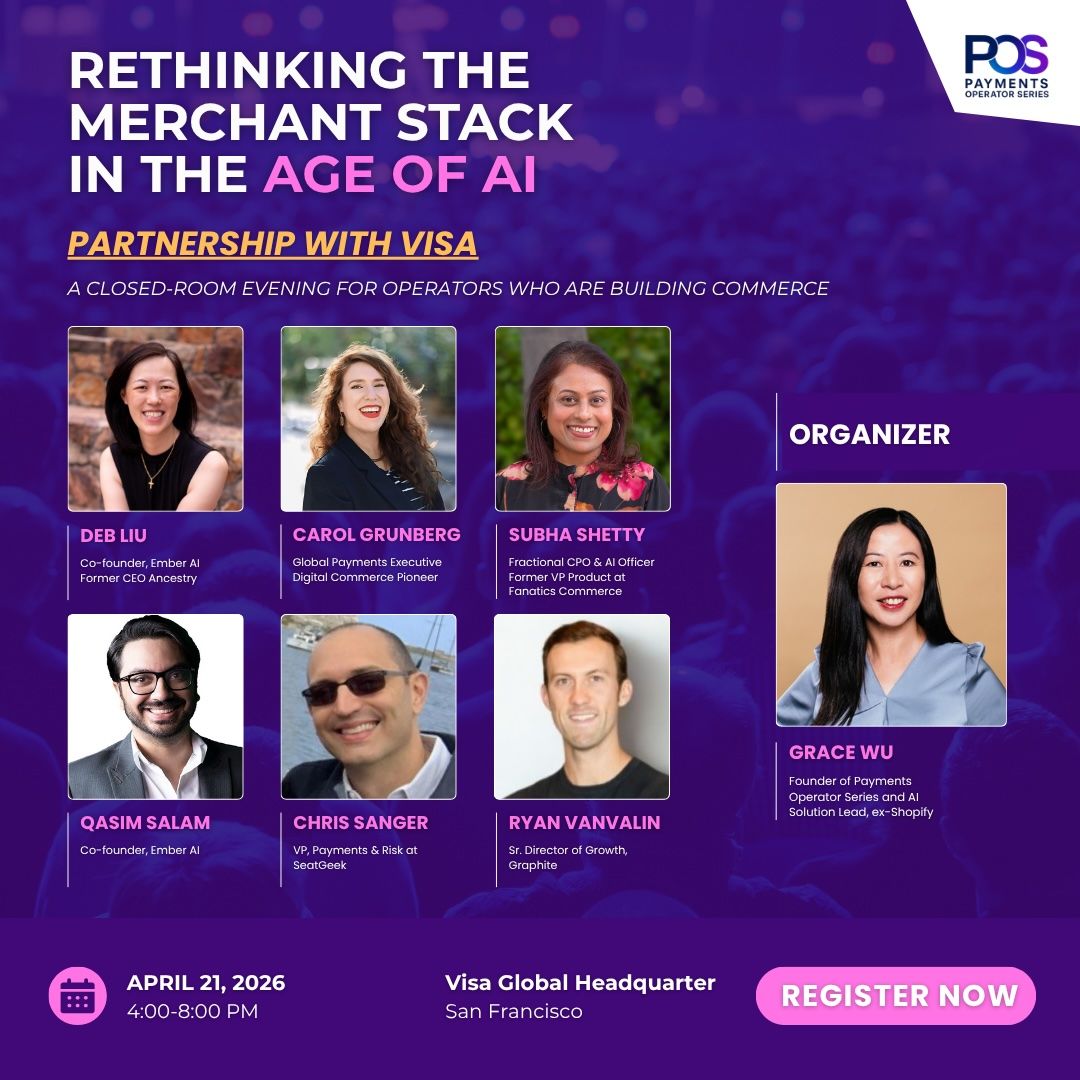
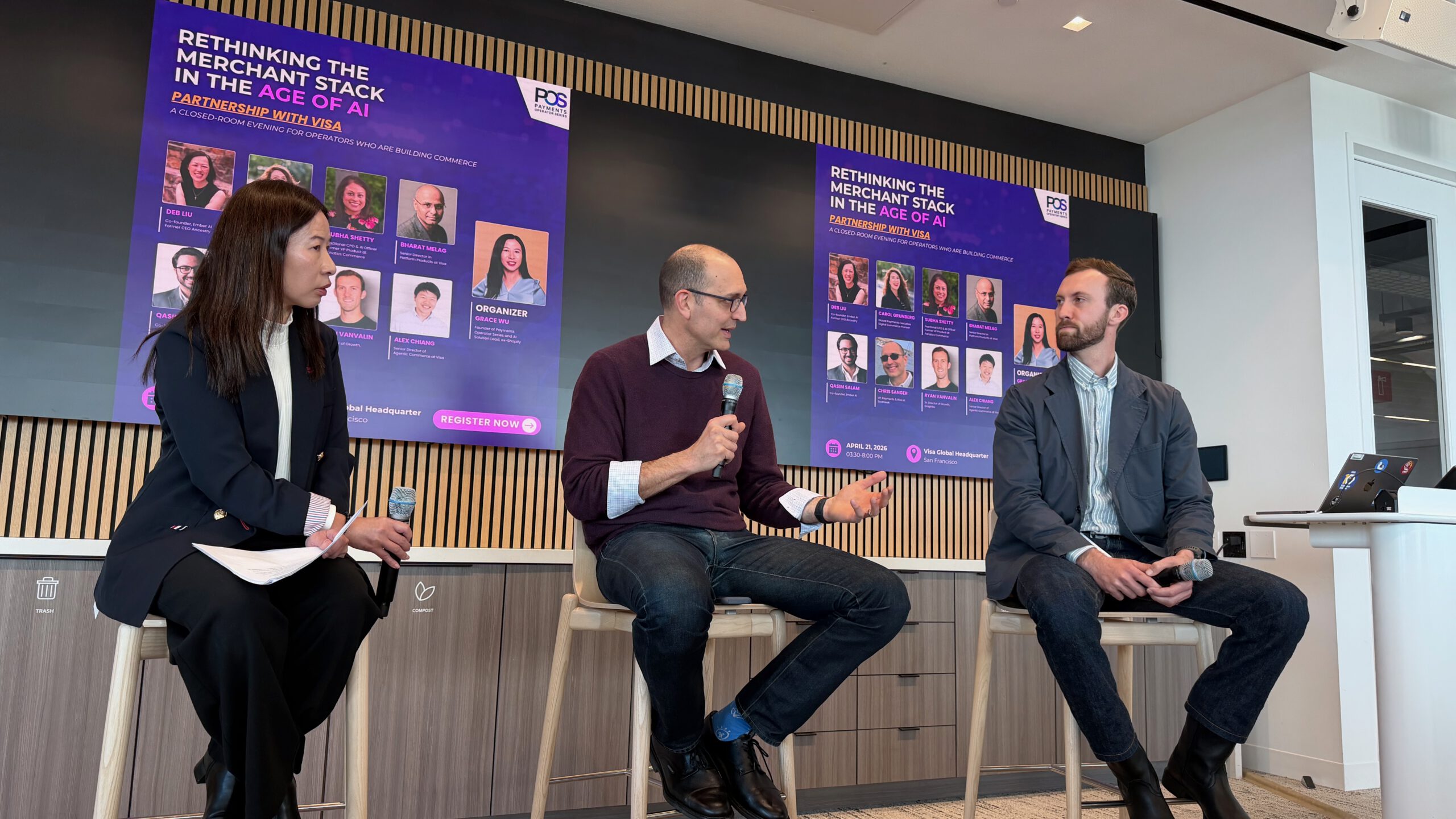
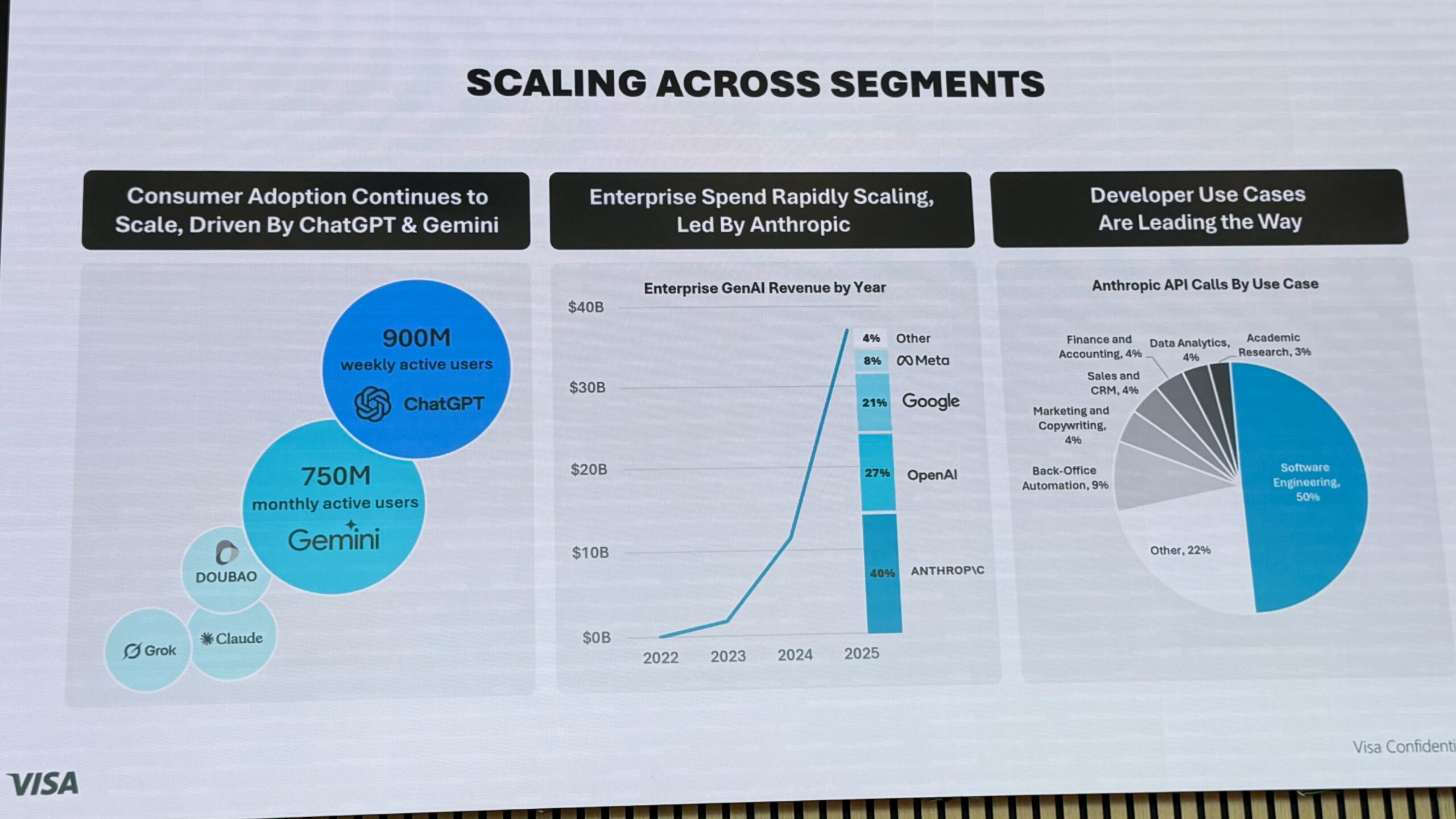
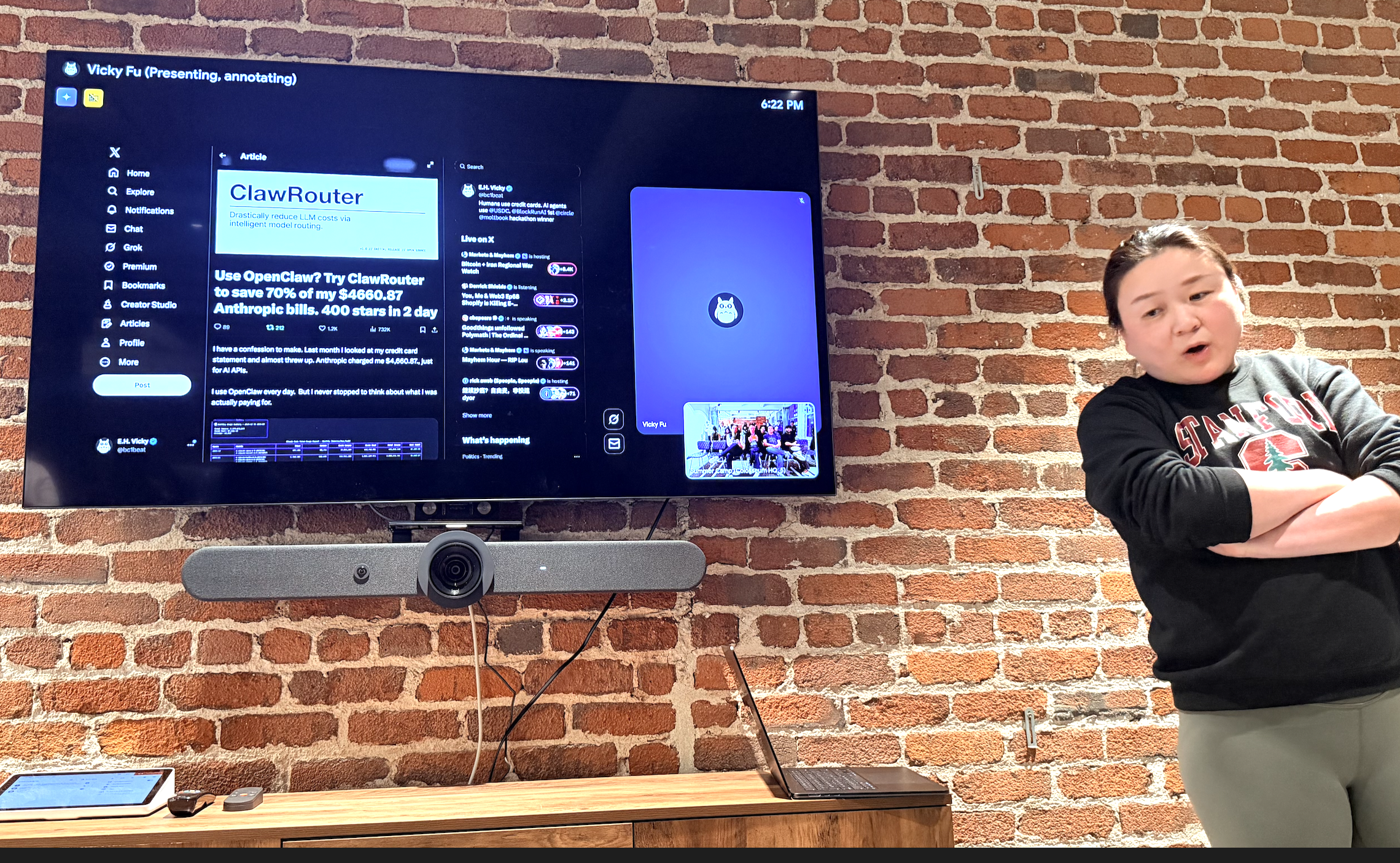
Are we there yet? Industry tea on what’s going on in agentic commerce, as of Dec 2025. Major props to Grace Wu and the Payment Operators Series group on Luma for organizing this panel convo down at the new Visa HQ in Mission Bay. Many old friends, some new ones and great convos. Notes & highlights:

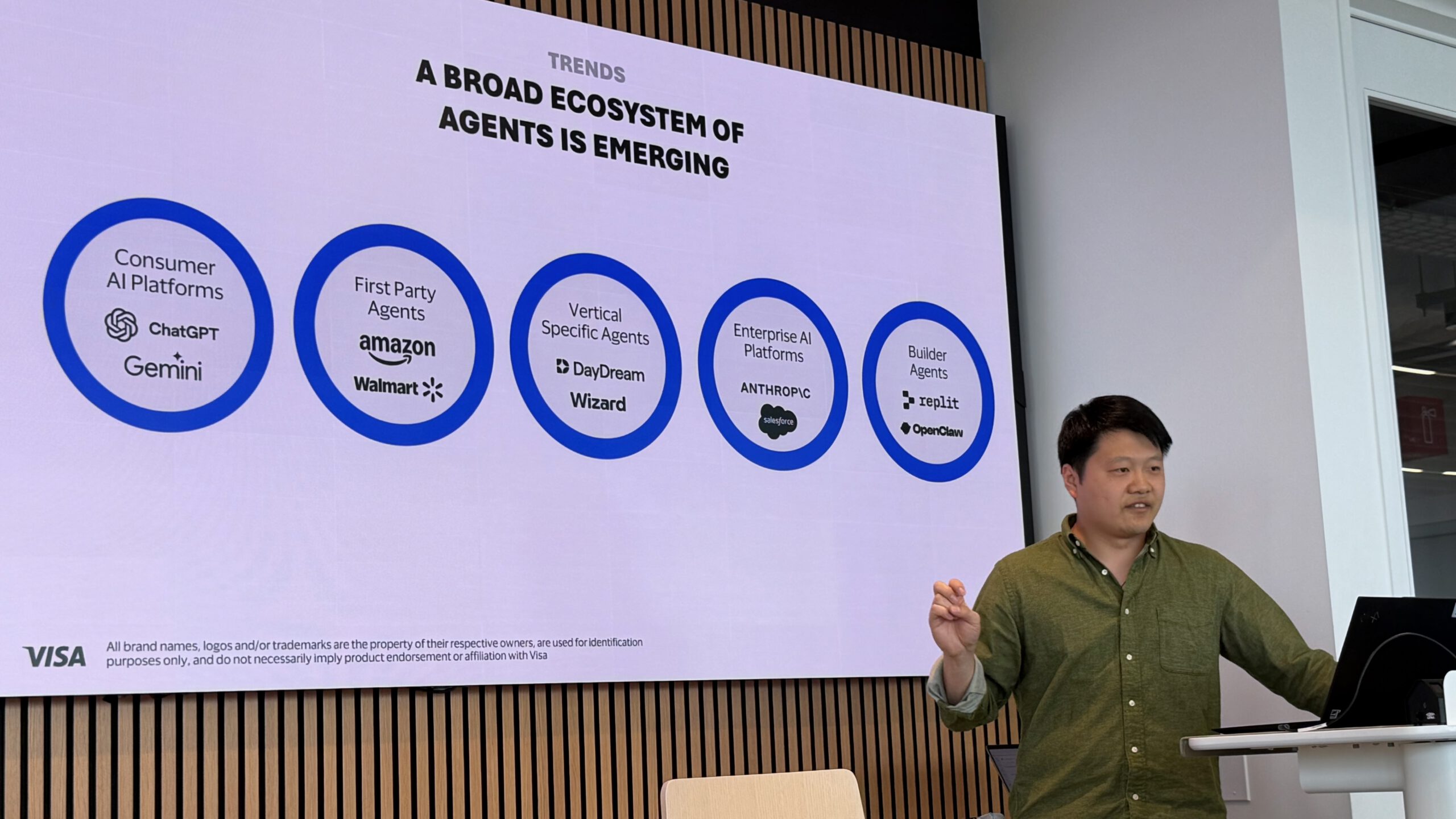
Jalpesh Chitalia kicked us off with a narrative of how far we’ve come from 2023 to today.
– In our current state, consumers are embracing agents for search and discovery. But checkout and payment is still human led.
– Arguably, merchant-side have been using AI even longer, using algorithms for pricing, marketing, recommendations, risk etc. and now gen ai too, but all for their human-facing channels
– What is now just emerging is end-to-end agentic shopping journeys and agent-to-agent fully autonomous commerce
– But for trust and interoperability to work there are many pieces including protocol and standards [that tbf Jalpesh and his team at Visa have been doing a killer job at executing on] including how to trust and certify agents, protect & control payment credentials in an AI environment, manage identity & authorization, navigate post-purchase actions etc.
– Past year was somewhat ‘chaotic’ with many players introducing protocols, all with good aspects, now we’ll see these consolidating and maturing

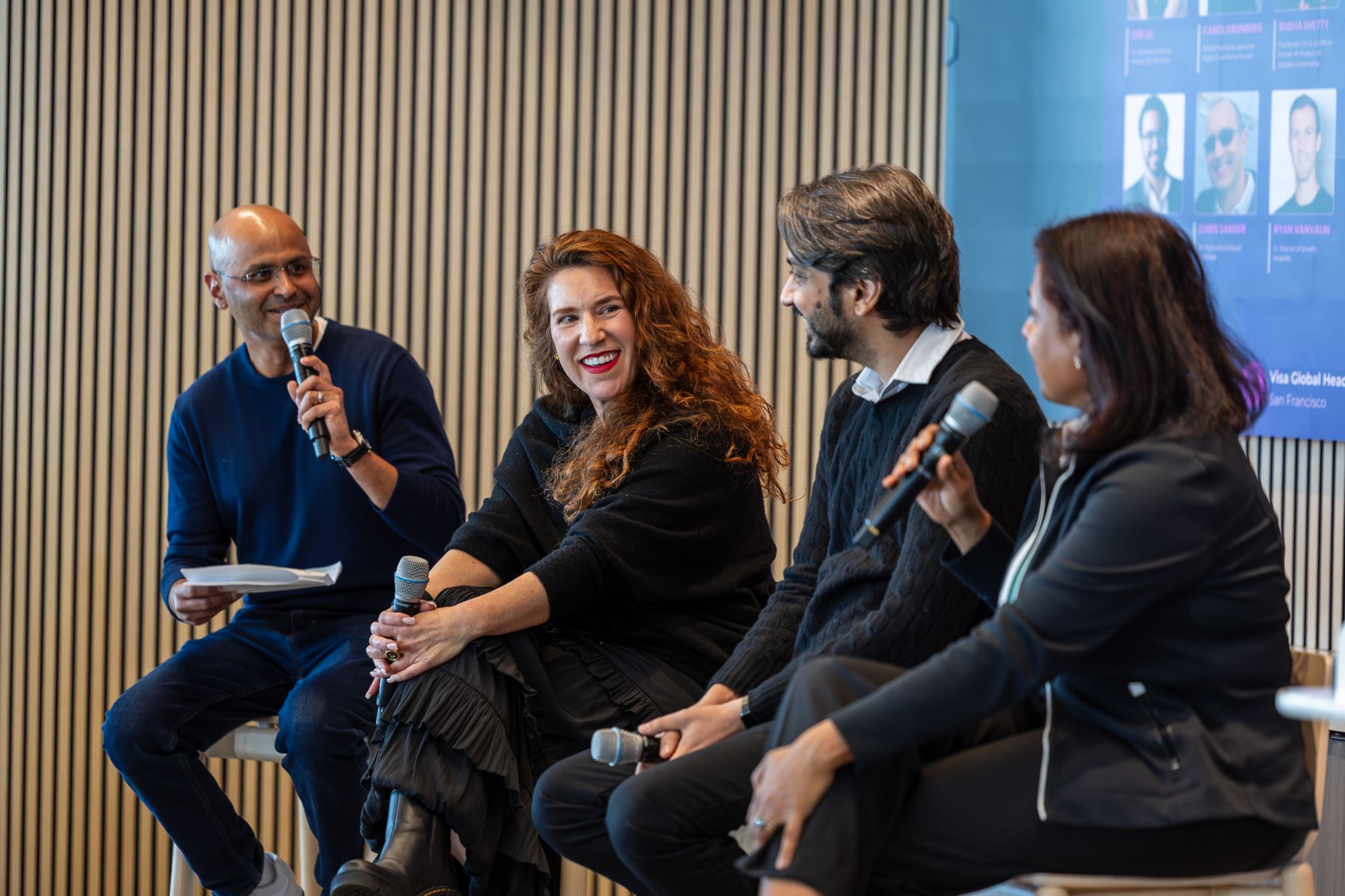
Panel w/ Aarti Bharathan (ex. Google Payments), Prerit Uppal (doordash), Nemil Dalal (YC, ex Coinbase) and Bharat Melag (Visa)

Aarti – journey to full automation is still where it was last year. We thought trust was key last year, but if we look upstream there is still hallucination and humans needing to be in the loop. [my take: it’s all about the usecase, expect agentic commerce to take off first in niches where stakes are low but value high. ‘Claude, help me pick gifts for a niece’s 6yo birthday’, ‘GPT I need instructions for a basic DIY home repair, can you also identify and source the right tools and parts and tell me when they’ll arrive?]

Bharat – At the network level, well need new dispute and reason codes

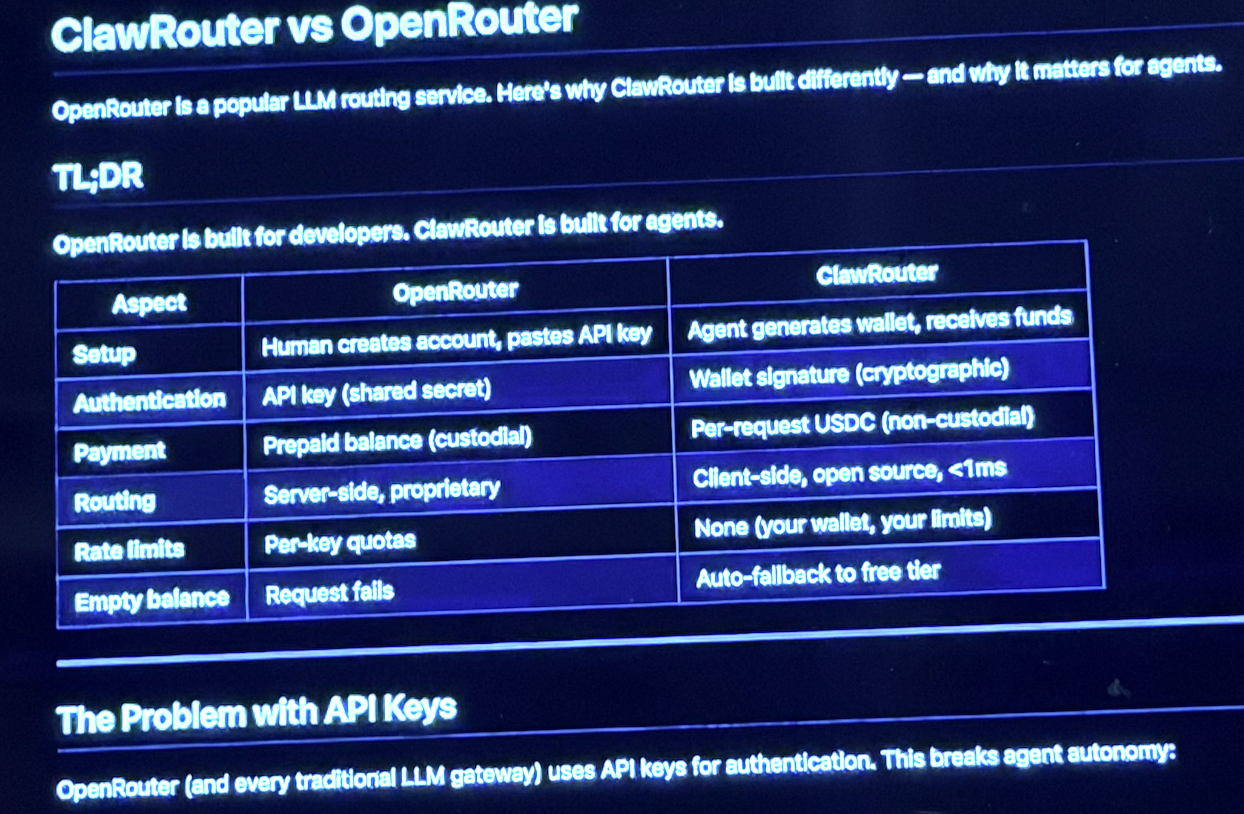
Nemil – X402 [Coinbase payment standard] can be used by agents. X402 micropayments could replace ad revenue as a way to pay for traffic and content access. Monetizing online content is a need if we want to keep having quality content, but ads (besides being toxic themselves). [agentic commerce can be about creating new categories of payments, not just replacing current shopping journeys]

Aarti – agents will negotiate for the best outcome not necessarily the best price. And this will change how loyalty works

Prerit – [merchant perspective] We ask first who will be the merchant of record, who/how will disputes be managed, how will it impact customer Trust and relationships? With narrow margins, we both don’t have luxury to test every protocol

Aati- building an mcp is no regrets for merchants. Just go dabble with that. Next step do you want to support commerce or ai negotiation

Posted in Uncategorized | Tagged , | Leave a comment

Agentic Commerce @ DC Fintech Week 2025 Liveblog Oct 15

It’s 3p October 15, 2025 and our industry is waking up to the realization that AI Agents are replacing customers. Thrilled to see this conversation getting elevated. For every industry, agentic agents are a future that easy to predict, but the necessary infra, rules, and winning strategies are still far from figured out.

My live notes [and editorial] from the excellent agentic AI panel at DC Fintech week led by Elise Soucie Watts

Agentic AI is “the future of commerce” Todd Fox VS [not wrong!]
Agentic is “ground breaking, but early” Sarah Morgenstern VC [also fair]
Agentic is “Efficient delegated authority” Kendall Howell [once it all works!]

Sarah: Finance is increasingly ‘self driving’. AI reducing friction and cognitive load of managing finance. Usecases: Intelligently maximizing daily yield on deposits [note, as a bank, you may love some of these less], automatically refinancing debts. SMB enterprise-grade purchasing and cashflow management w/o cost and extreme hassle of enterprise ERP systems. Book keeping and reconciliation that’s automated.  A CFO in my pocket. A lot of promise but still early with development.

Kendal: “Agentic systems mean Reasoning, planning, actions. But it will be trust in each of those that drives adoption”  [consider selfdriving cars solved this with safety drivers, starting with human in the loop, but HITL not the end goal. In agentic banking/commerce how will agents build up the millions of miles of demonstrated self-driving experience? Who will be the safety drivers?]

Todd: “if we make it easy for a seller and buyer to trust each other, they are going to transact and that creates economic growth. Merchant side of the story: for 20yrs you’ve been fortifying your websites against bots. Bots have always been fraudsters. But now agentic commerce means that your next best customer might *also* be a bot. Identity is a key question, we need know your agent. Vendors are starting to build pieces of the stack, but requires public private collab on the standards.

Visa announced yesterday the trusted agent protocol. When making a payment it’s not just money moving A to B, it’s the framework of trust, of liability protection and rights. [PSA Visa is crushing it lately in setting very useful frameworks for agentic commerce, but we’re also going to need similar infra for agentic open banking and fiance – watch for more content from me on this soon!]

Todd – yes, be in convo with your regulator. But AI is a global transformation. Second best solutions are fragmented national/regional solutions. If the trust is done right every business can be a global business, every customer could be shopping globally for the best solutions.

Robert Bench asks: If we do this right we can get rid of the ad-based economy which is toxic. Could agentic commerce save us from a world of digital addiction led by the ad-based economy? [That would be great! but rather optimistic?]

Posted in Uncategorized | Tagged , | Leave a comment

DC Fintech Week 2025 Liveblog Oct 15

Ride along with me as we read between the lines of DC Fintech Week. Least controversial is the relevance of AI. More spicy is the conversation on crypto within the regulated financial system.

8:45am Elisa De Anda Madrazo, President of FATF. Context 1: She’s a Mexican civil servant on secondment to FATF (not Trump appointee or American, this is relevant). Context 2: FATF AML compliance is always one of the biggest hurdles to building anything new in fintech or payments.

  • She’s pro-innovation and pro financial inclusion (notable!).
  • “We are here to protect people, society and financial system.”
  • Wants to change historical thinking of tradeoff between inclusion vs safety. ‘But this is not a tradeoff.’ If we don’t do inclusion we don’t have light on transactions and flows. And dark flows create more risk, not less.
  • Actions: changing rules to allow simplified rules for lower-risk use cases.
  • Fintechs complain that regulators are not passing this through yet, so current focus is on prioritizing risk-based rules through global regulators.
  • “Criminals are first movers” with technologies. Not changing their crimes but scaling up. Governments are not doing a good job (yet) at using AI. Need to catch up.
  • Crypto / travel rule has been a problem, but crypto industry has come forward with solutions. Problem is that blockchains are public by default but AML/CFT requires identifying info to flow with transactions.
  • FATF view is crypto needs to play by same equitable standards as all other rails.

9:15am FDIC Travis Hill, Acting Chairman FDIC (former deputy, now Trump Appointee – this is relevant)

  • Under GENIUS Act, FDIC now supervises institutions issuing stablecoins (OCC for non-banks). Application and licensing framework.
  • Priorities are Debanking: we want to have a banking system that serves all ‘law-abiding’ Americans. And we want to promote financial inclusion, regardless of ‘political views’. Debanking also a big complaint of crypto industry. (But what of common debanking of other sectors like the sex industry? – conspicuously not mentioned.)
  • Thinks it’s an ill-advised approach to push custody and crypto outside of the banking sector.
  • Interesting: “Turning on pipeline of new banking licensing is critical.” Only 90 new since financial crisis, lower than lowest annual rate before.
  • Developing policy and looking at capital requirements, managerial requirements as barrier to de novo banks.
  • Deposit Insurance should have a high bar, but to have a pipeline we’ll need more flexibility in rules.

10a-11a Themes from Blockchain convos with CITI, Ripple, Custodia and others

  • FED and OCC are NOT aligned with FED (JPow) and SEC (Gensler) on policy and FED is hostile to Trump’s priorities (and by extension crypto), which freezes things.
  • Crypto companies have had master account applications open with the FED for 5 years. “Fed would be happy to keep those apps open for 50 yrs.”
  • Ripple Founder: $150M lawsuits shouldn’t be the only way to find regulatory clarity [fair].
  • Citi says their clients want to move money but they don’t care how. Using private blockchain and their own coin. Citi token services are focused on institutional money movement [not so much retail].
  • Argument is that crypto represents innovation, inclusion, the rest of the world is doing it so US should too. And that a regulated and visible industry is better than the alternative.

Between the lines: The disingenuity is that cryptoverse is not also still fraught with grift, systemic risk, and bad actors. Can we make crypto healthy by institutionalizing it? Are we to believe Trump is really the responsible champion that crypto needs?… while simultaneously hawking his own shitcoins on the White House lawn?

Posted in Uncategorized | Leave a comment